
Pro Tips for Window Film Installation: Expert Window Film Installation Tips
Installing window film is a transformative process that enhances the comfort, privacy, and energy efficiency of any space. Whether applied to residential windows, commercial storefronts, or school facilities, the right window film can dramatically improve the environment. However, achieving a flawless finish requires more than just peeling and sticking. It demands precision, patience, and a mastery of professional techniques. Drawing from extensive experience, I will share essential window film installation tips that ensure a smooth, durable, and visually appealing result.
Essential Window Film Installation Tips for a Flawless Finish
The foundation of any successful window film installation lies in meticulous preparation. Before even unrolling the film, it is crucial to clean the glass surface thoroughly. Dust, dirt, and grease can create bubbles and prevent the film from adhering properly. I recommend using a high-quality glass cleaner and a lint-free cloth, followed by a final wipe with a squeegee to remove any residual moisture.
Once the glass is pristine, measure the window dimensions carefully. Cutting the film slightly larger than the window allows for trimming after application, ensuring edge-to-edge coverage. When applying the film, use a spray bottle filled with a mixture of water and a few drops of baby shampoo. This solution lubricates the glass, enabling you to slide the film into position and adjust it before it sets.
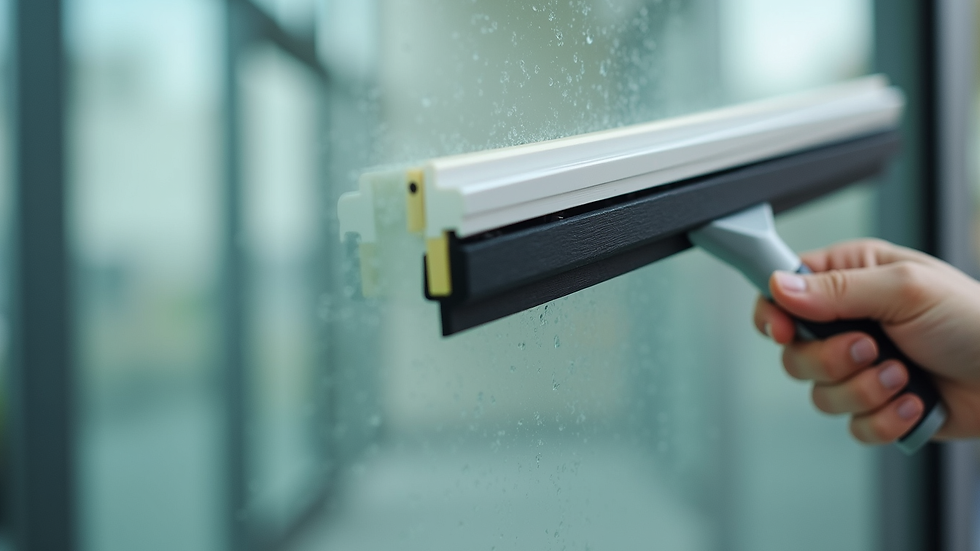
The application process itself requires a steady hand and the right tools. A plastic squeegee with a felt edge is ideal for smoothing out air bubbles and excess solution without scratching the film. Start from the center and work outward, applying firm, even pressure. This technique pushes out trapped air and water, creating a seamless bond between the film and glass.
Choosing the Right Tools and Materials for Window Film Installation
The quality of tools and materials directly influences the outcome of any window film project. Investing in professional-grade supplies can save time and prevent costly mistakes. For instance, a sharp utility knife with replaceable blades is essential for precise trimming. Dull blades can tear the film or leave jagged edges that compromise the aesthetic.
Equally important is selecting the appropriate film type for the specific application. Films vary in thickness, tint, and purpose—ranging from solar control and UV protection to decorative and safety films. Understanding the unique properties of each film type helps in choosing the right product that meets the client’s needs and complies with local regulations.
In addition to tools and film, environmental conditions play a significant role. Ideally, installations should be performed indoors or on shaded windows to avoid direct sunlight, which can cause the solution to dry too quickly and trap bubbles. Temperature and humidity levels also affect adhesion, so aim for moderate conditions to optimize results.
Mastering the Art of Window Film Application
Applying window film is a delicate balance of technique and timing. After positioning the film on the wet glass, it is vital to work quickly but carefully. The longer the film remains wet, the easier it is to reposition, but excessive moisture can lead to prolonged drying times and potential water spots.
One of the most common challenges is dealing with stubborn air bubbles. Small bubbles can often be coaxed out with the squeegee, but larger or persistent ones may require a pinprick to release trapped air. Use this method sparingly and with caution to avoid damaging the film.
Edges and corners demand special attention. These areas are prone to peeling if not sealed properly. After trimming, run the squeegee firmly along the edges to ensure a tight seal. For added durability, some professionals recommend applying a thin bead of clear silicone sealant around the perimeter, especially in high-traffic or exterior-facing windows.
Throughout the process, patience is paramount. Rushing can lead to wrinkles, misalignment, or uneven adhesion. Taking the time to perfect each step results in a polished, professional finish that enhances the window’s appearance and performance.

Troubleshooting Common Issues During Installation
Even with careful preparation and technique, challenges may arise during window film installation. Recognizing and addressing these issues promptly can prevent costly rework and ensure customer satisfaction.
Bubbles and Wrinkles: These are often caused by insufficient cleaning or improper application. If bubbles persist after squeegeeing, lift the film gently and reapply the solution before smoothing again.
Peeling Edges: This can result from inadequate sealing or exposure to moisture. Reinforce edges with additional pressure or sealant to prevent lifting.
Film Discoloration or Streaks: Using harsh cleaning agents or applying film in direct sunlight can cause discoloration. Always use recommended cleaning solutions and install in shaded conditions.
Film Shrinkage: Some films may shrink slightly after installation, especially in high heat. Allow the film to cure fully and avoid touching it during this period.
By anticipating these common pitfalls and employing corrective measures, installers can maintain high standards and deliver lasting results.
Enhancing Longevity and Performance of Window Film
Proper installation is only the first step in ensuring the long-term benefits of window film. Maintenance and care play a crucial role in preserving its appearance and functionality. I advise clients to avoid cleaning the film for at least 30 days after installation to allow the adhesive to cure fully.
When cleaning is necessary, use a soft cloth or sponge with mild, non-abrasive cleaners. Avoid ammonia-based products, which can degrade the film over time. Regular inspections for peeling or damage help catch issues early, allowing for timely repairs.
For commercial and school environments, educating occupants about the benefits and care of window film fosters appreciation and proper use. This proactive approach extends the life of the film and maximizes its energy-saving and protective qualities.
Incorporating these expert window film installation tips ensures that every project not only meets but exceeds expectations, delivering comfort, style, and efficiency for years to come.
By embracing these professional insights and applying proven window film installation techniques, one can transform ordinary glass surfaces into powerful assets that enhance any building’s environment. The journey from preparation to final inspection is a testament to craftsmanship and attention to detail, hallmarks of a truly expert installation.


Comments